

Regional Freight Transportation Plan Update
Goods movement is the backbone of our economy, and the Central Midlands Council of Governments (CMCOG) is making sure the region is ready for what’s next.
Why This Plan Matters
CMCOG and the Columbia Area Transportation Study (COATS) Metropolitan Planning Organization (MPO)
are updating the 2017 Regional Freight Mobility Plan, a forward-looking effort to
assess how trucks, rail, air cargo, and last-mile logistics move through our region today,
and what investments will keep our economy competitive tomorrow.
From distribution centers and manufacturers to everyday deliveries, freight touches nearly
every aspect of life in the Central Midlands. This plan will identify bottlenecks
and safety challenges on key freight corridors, document infrastructure
gaps, and develop a prioritized strategy for investments that
support economic growth while protecting the quality of life in our neighborhoods.
The last Regional Freight Transportation Plan was completed in November 2016. Since then,
the region has experienced tremendous growth, new intermodal facilities have come online,
and major freight corridors are under construction or in planning. This update will look
ahead to the year 2050.
The Study Area
The plan covers the four-county Central Midlands region, with coordination on freight
movements connecting to the Ports of Charleston and Savannah, and to neighboring counties
across South Carolina, Georgia, and North Carolina.
Fairfield County
Richland County
Lexington County
What We’re Studying
The plan takes a comprehensive, multimodal look at how goods move today and through 2050. Click on Trucking & Highways, Rail, or Air Cargo below to view a detailed profile sheet for that mode.

Trucking & Highways
Truck volumes, congestion hot spots, safety, parking, and corridor performance on the National Highway System and statewide freight routes.

Rail
Train volumes, routes, at-grade crossings, and the safety and operational issues that affect both freight movement and surrounding communities.

Air Cargo
Cargo activity at the Columbia Metropolitan Airport and how it connects to regional supply chains and economic development.

Intermodal
Standardized containers moving goods across truck, rail, port, and air – one shipment, multiple modes, zero re-handling.

Last-Mile & Logistics
Distribution centers, warehousing, first/last-mile connections, and how local land use and roadway design affect goods delivery.

Land Use & Economy
How freight intersects with land use planning, economic development, and neighborhood quality of life.

Resiliency & the Future
Port disruptions, severe weather, alternative truck fuels (electric, hydrogen), and the impact of automated vehicles on freight.
How We’re Engaging
This is not a plan built behind closed doors. Various outreach strategies will be deployed to capture feedback from key freight stakeholders and members of the public. Engagement will be coordinated with the Elevate 2050
Long Range Transportation Plan so your time and input go further.
Freight Advisory Committee (FAC)
A focused working group of trucking and logistics providers, rail operators, airport cargo, manufacturers, utilities, economic development partners, and local government staff. The FAC meets at three key milestones during the planning process.
Targeted Stakeholder Interviews
One-on-one conversations with major shippers, distribution operators, manufacturers, rail and airport cargo leadership, and enforcement agencies to capture operational realities that broader outreach can’t reach.
Public Meetings & Pop-Up Events
Community members can weigh in at public meetings and pop-up events throughout 2026 — integrated with Elevate 2050 outreach to reduce duplication and reach more residents.
Freight Plan Survey
The project’s public survey will be used in order to gather input from the community to help shape the future of goods movement in our region. Take the survey.
Truck Parking Survey
As part of broader statewide freight planning efforts, a truck parking inventory is under development. A map to leave your comments is available at this link. Note that since this is a statewide effort, additional sites outside the CMCOG region are also shown.
We Heard You
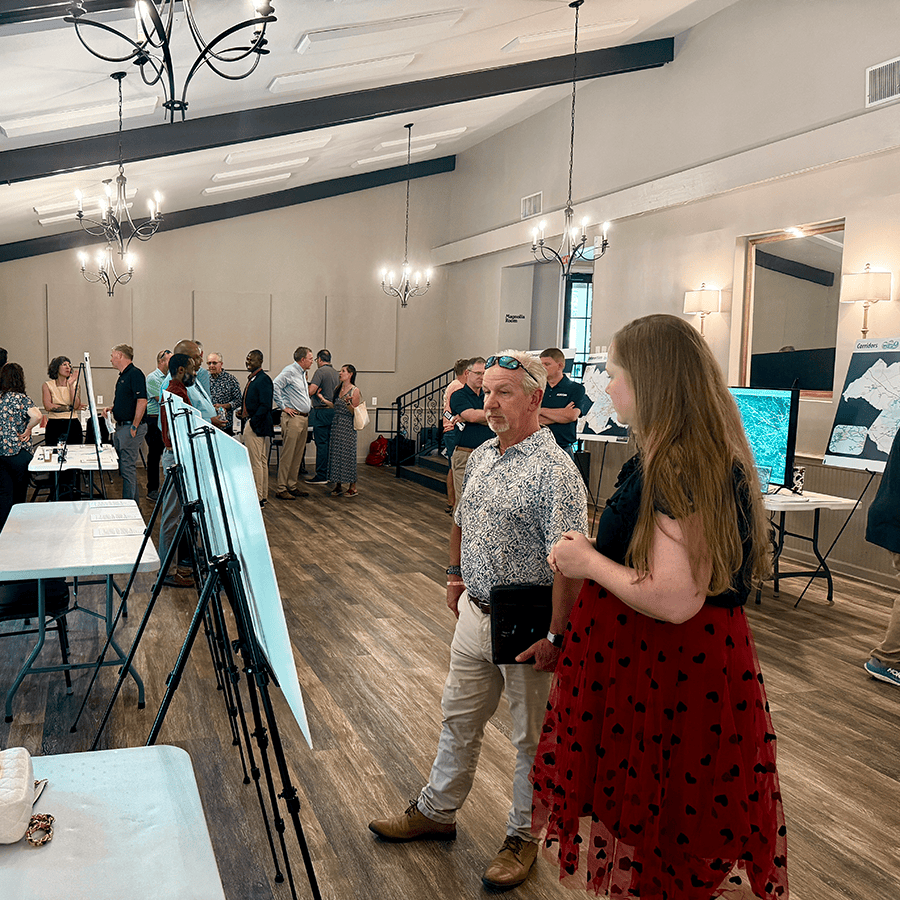
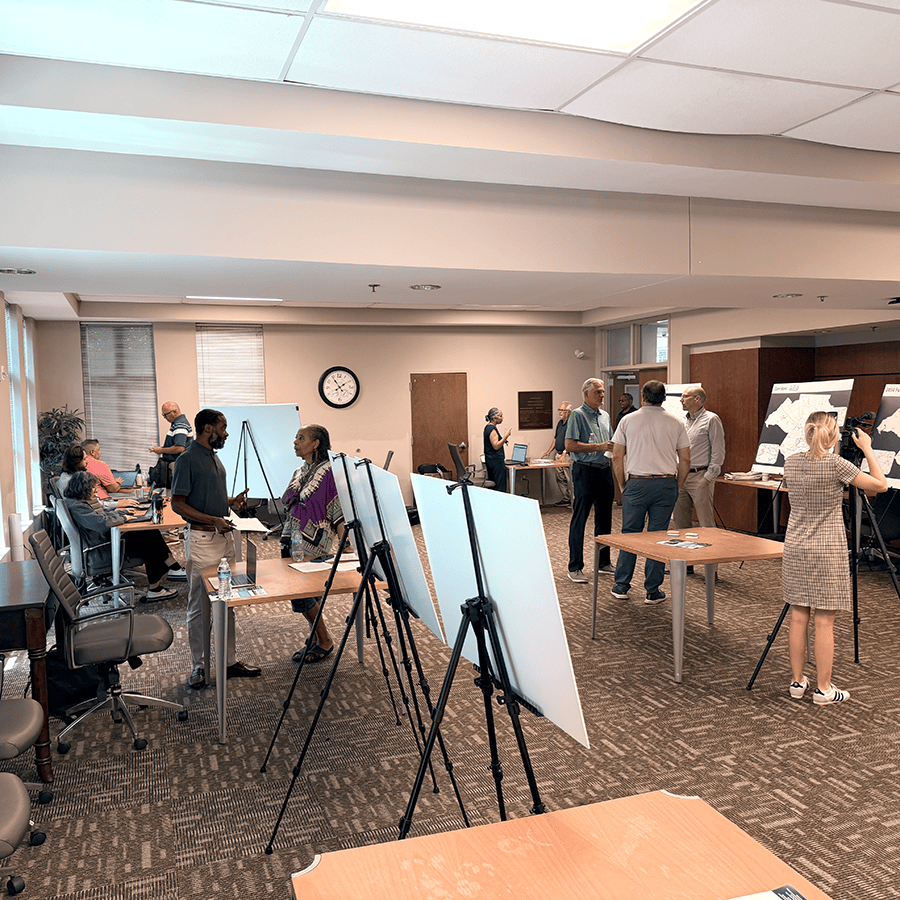
In August 2026, the project team participated in public and stakeholder meetings in Newberry, Fairfield, Richland, and Lexington counties to share early findings and hear directly from residents and freight stakeholders about how goods movement affects their communities.

See the Project Boards
Three project boards were on display at regional stakeholder and public meetings in August. The Regional Freight Needs and Gaps board maps truck, rail, and air freight activity across the region, highlighting the most severe bottlenecks, safety hot spots, and truck parking needs. The Freight-Efficient Land Use (FELU) board screens land across the region for freight suitability, showing where to preserve and grow freight-supportive uses and where freight activity should be buffered from homes and schools. The CMCOG Regional Freight Plan board gives an overview of the planning effort, its key elements, and what the public survey is telling us so far. Click any board below to view it in full.

CMCOG Regional Freight Plan Overview
The plan’s purpose and key elements, how it aligns with statewide freight planning, and what public input is telling us so far.

Freight-Efficient Land Use (FELU)
A regional screening of where land is well-suited for freight activity, and where freight and community impacts should be balanced.

Regional Freight Needs and Gaps
Truck, rail, and air freight patterns, the region’s most severe bottlenecks and safety hot spots, and truck parking needs.
Tell Us How Freight Affects You
Whether you’re a freight operator, a business owner, a commuter, or a neighbor on a busy corridor — your input helps shape the future of goods movement in the Central Midlands.
The survey takes about 5–10 minutes.
Take the Survey
Survey open until August 31, 2026
Stay Connected
Have a stake in how freight moves through our region? Follow updates through CMCOG and
Elevate 2050 channels, and watch for upcoming engagement events near you.
Central Midlands Council of Governments · Columbia Area Transportation Study (COATS) MPO